
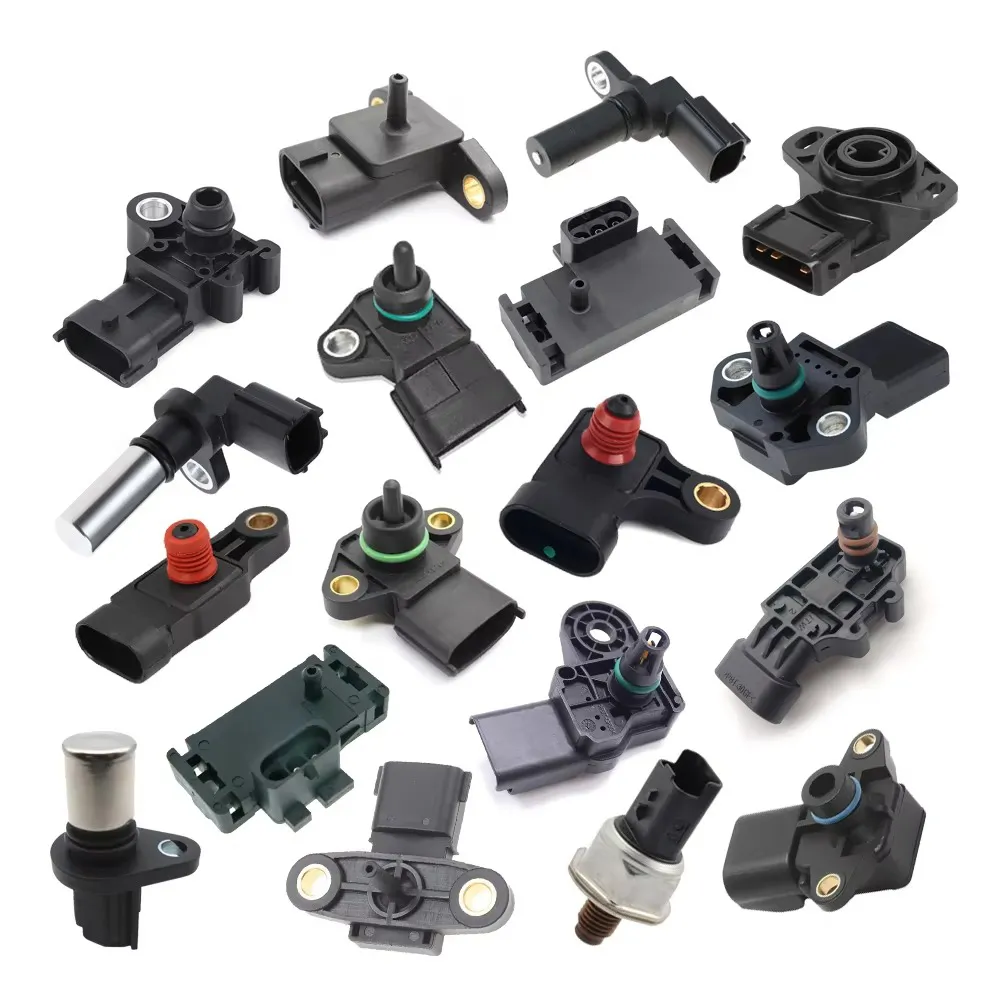
Definition
The automotive connector housing refers to the external structure used to protect and fix the internal components of the automotive connector. It is usually made of plastic or metal materials and has certain mechanical strength and environmental adaptability. The connector housing can prevent pollutants such as dust and moisture from entering the connector, and can also play the role of insulation and shielding.

Definition of automotive connector housing
The basic components of the automotive connector housing include:
- Housing: used to accommodate and protect the internal components of the connector and to cooperate with the docking connector.
- Locking mechanism: used to reliably fix the connector to the housing to prevent accidental detachment. Common locking methods include snap-on type and threaded type.
- Sealing ring: used to form a seal between the connector and the housing to prevent external contaminants from entering. The sealing ring material needs to have oil resistance, high and low temperature resistance and other characteristics.
- Shielding shell: used to provide electromagnetic shielding function to prevent external electromagnetic interference from affecting the internal circuit of the connector. The shielding shell is usually made of metal material.
- Stress relief device: used to prevent the cable from being damaged by stress such as stretching and torsion. Common stress relief devices include sheaths, clamps, etc.
The key role of automotive housing connectors in automotive electrical systems
The automotive housing connector plays a vital role in the automotive electrical system:
- Achieve electrical connection: Connect different wiring harnesses and components reliably through the connector housing to ensure the normal transmission of current and signals.
- Prevent electrical failures: Good sealing and insulation can prevent electrical failures caused by moisture, short circuits, etc., and improve system reliability.
- Easy to install and maintain: The use of standardized connector housings can facilitate the assembly and maintenance of electrical systems, reducing costs and efficiency.
- Adapt to harsh environments: The automotive connector housing needs to work for a long time in harsh environments such as vibration, high and low temperatures, and corrosive media, so it has high requirements for materials and structures.
What are the applications in different environments?
- Engine compartment: The environment in the engine compartment is harsh, with high temperature, large vibration, and a lot of oil. Therefore, the connector housing needs to be made of high temperature resistant, vibration resistant, and oil-proof materials and sealing structures.
- Chassis: The chassis is susceptible to the impact of water, mud, and stones, and requires a fully sealed waterproof connector with a certain mechanical strength.
- Interior of the car: The environment in the car is relatively mild, but the connector needs to have a beautiful appearance, good feel, and be able to prevent passengers from touching it and causing a short circuit.
- External parts of the car: Such as lighting fixtures, wiper systems, etc., require strict waterproof and dustproof design, and can adapt to the high and low temperature environment outside the car.
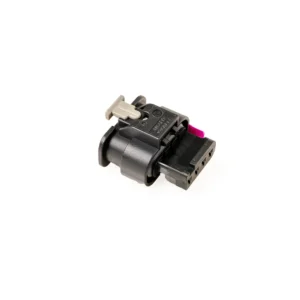
Understanding the housing material is very important for choosing the right connector
The choice of connector shell material directly affects the performance and reliability of the connector. Common shell materials are:
- Plastics: such as engineering plastics such as PA and PBT, which have good insulation, corrosion resistance, good processability, low cost, but poor high temperature resistance.
- Metals: such as aluminum alloys and stainless steel, which have excellent shielding, thermal conductivity and mechanical strength, but high processing costs and heavy weight.
- Composite materials: such as glass fiber reinforced plastics, which have both the insulation of plastics and the strength of metals, but the price is relatively high.
When selecting automotive connector shell materials, it is necessary to comprehensively consider factors such as the use environment, cost, weight, and processing technology to select the best material that meets the performance requirements. At the same time, it is also necessary to conduct necessary testing and verification of the material to ensure its reliability in actual applications.