
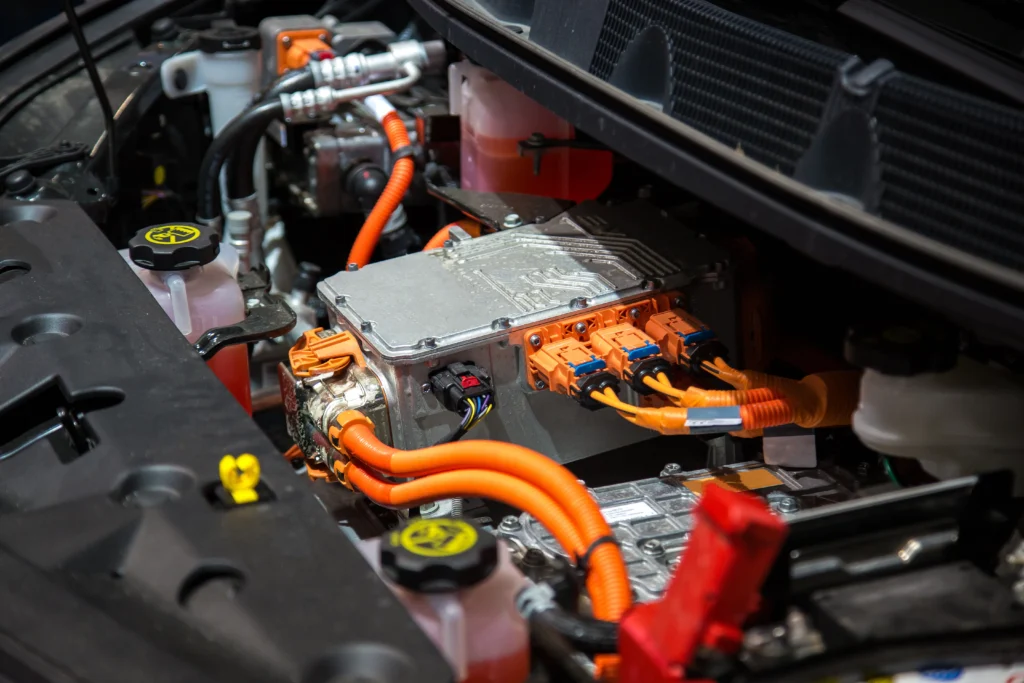
The transition from Internal Combustion Engines(ICE) to Electric Vehicles(EVs) represents the most significant change in the history of transportation. The core of this revolution lies in complex components that ensure the safety, efficiency and reliability of vehicles. Among them, automotive connectors and seals play a pivotal role, although often overlooked, but absolutely indispensable.
As electric vehicles continue to break through the limits of cruising range and charging speed, the requirements of their internal architecture have also undergone tremendous changes. This article will explore the key applications of automotive connectors and seals and analyze why they are critical to the next generation of mobile mobility.
What are Automotive Connectors and Seals?
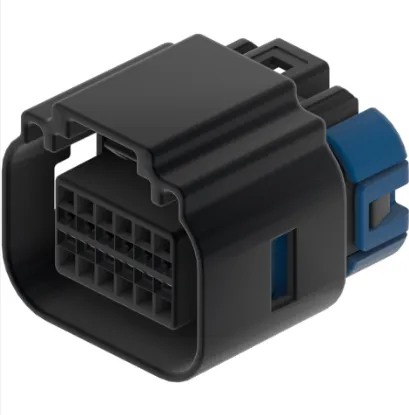
Automotive connectors are electromechanical devices used to connect circuits. In electric vehicles, they range from low-voltage sensor connectors to high-voltage power transmission lines that handle hundreds of amperes of current.
Automotive Seals are protective barriers designed to prevent the intrusion of moisture, dust and chemicals. They ensure that the connector and its internal sensitive electronic equipment can still work normally under harsh environmental conditions.
Automotive connectors and seals together constitute the nervous system of electric vehicles that protect the integrity of vehicles while transmitting power and data.
Why are they Essential for Electric Vehicles(EVs)?
You might ask: why do electric cars need dedicated connectivity solutions compared to traditional cars? Because it has the unique operating environment of an electric powertrain.
High-Voltage Safety
Unlike fuel vehicles(ICE) that usually run on 12V or 24V systems, electric vehicles use a high-voltage architecture of 400V to 800V (or even higher). Standard connectors cannot withstand this load. The dedicated automotive connectors and seals are carefully designed to prevent arcs, overheating and electric shocks.
Strict Environmental Protection
Electric vehicle components are usually exposed to extreme conditions. The connector must withstand:
- Thermal Shock: The temperature near the battery pack changes sharply.
- Vibration: Continuous mechanical stress from road conditions.
- Moisture: Splashing, humidity, even immersion.
Electromagnetic Interference (EMI) Shielding
The motor and inverter will produce significant electromagnetic noise. High-quality automotive connectors and seals typically include screen hiding technology to prevent this noise interference sensitivity.
Check out our detailed post on Custom Automotive Connectors For Protecting Your Vehicle Wire System.
Key Applications in Electric Vehicles
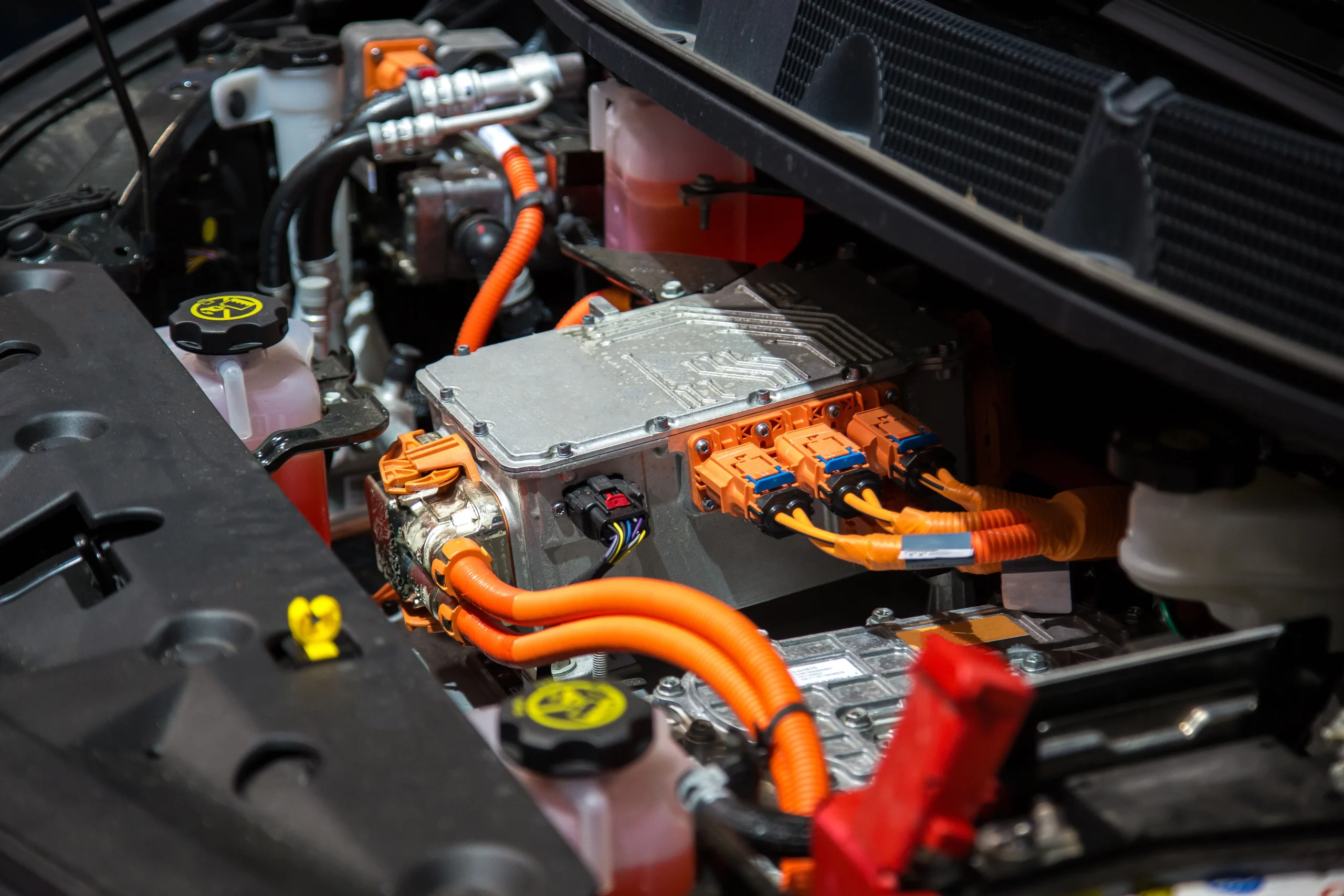
Automotive connectors and seals are widely used in electric vehicles. Below we discuss the most critical specific systems of these components.
Battery Management System(BMS)
BMS is the center of electric vehicle battery that monitors the health status, temperature and charging level of a single battery cell.
Connectors: Miniature, high-density connectors are used to transfer data from the battery sensor to the central control unit.
Seals: Silicone or EPDM seals protect BMS from battery electrolyte leakage and external moisture.
Inverters and Converters
The inverter converts the direct current(DC) of the battery into alternating current(AC) to drive the motor. This process generates huge heat and requires robust connection. Busbar connectors are commonly used to manage high current flows.
Seal: High temperature resistant seals are required to effectively maintain integrity and ensure that the cooling system associated with the inverter does not leak.
Charging Interface
The charging port is the main interface between the user and the vehicle’s high voltage system.
Durability: These connectors must withstand thousands of insertion/extraction cycles.
Weatherability: Since charging is usually carried out outdoors, the seals used in the charging socket must reach Ingress Protection (IP) ratings, usually IP67 or IP6K9K.
Comparison: Fuel Vehicle(ICE) vs.Electric Vehicle(EV) Connector Requirements
In order to help visualize the differences in engineering requirements, we compared traditional vehicle requirements with modern EV requirements.
| Comparison Table: Fuel Vehicle(ICE) vs.Electric Vehicle(EV) | ||
|---|---|---|
| Feature | Internal Combustion Engine (ICE) | Electric Vehicle (EV) |
| Voltage Range | Low (12V – 48V) | High (400V – 800V+) |
| Current Handling | Low to Medium | Very High (up to 500A+) |
| EMI Shielding | Minimal Requirement | Critical Requirement |
| Thermal Management | Engine heat focused | Distributed (Battery, Motor, Inverter) |
| Connector Size | Standardized, smaller | Larger (for insulation & shielding) |
Material Innovation of Automobile Seals
The life of automotive connectors and seals depends largely on the materials used. Materials science is progressing rapidly in the field of EV.
Liquid Silicone Rubber(LSR): Widely used in seals due to its flexibility and resistance to extreme temperatures(-40 °C to + 200 °C).
Thermoplastics: High-performance plastics are used in connector housings to reduce weight – a key factor in maximizing EV cruising range.
Copper and Aluminum: While copper is the standard material for conducting, aluminum is increasingly used in large connectors to reduce weight, but this requires a special coating to prevent corrosion.
Challenges in Designing Automotive Connectors and Seals
Engineers face three dilemmas in designing these components:
- Miniaturization: As cars become smarter, they need more sensors. The connector must be smaller to fit the space, but still must safely handle power.
- Reliability: The life expectancy of electric vehicles is 10-15 years. The failure of a single seal may cause the entire system to fail.
- Cost: As EV prices fall to compete with fuel vehicles, components must become more affordable without sacrificing quality.
For detailed technical specifications on automotive safety standards, please refer to the website of the International Society of Automotive Engineers(SAE International), an authority in the field of mobile engineering.
Future Trends of Automotive Connectors and Seals
The evolution of automotive connectors and seals is far from over. The following is the future development direction:
- Autonomous Driving Integration: Autonomous vehicles require massive data transmission speeds(up to 24 Gbps). This will drive the demand for sealed Ethernet connectors.
- Wireless Battery Management System(wBMS): Although this reduces the need for some wiring, it increases the need for robust sealing of a single battery module to protect the radio module from interference and corrosion.
- 1000V + Architecture: Manufacturers are studying systems that exceed 1000V in order to shorten the charging time to less than 10 minutes. This will require a thorough redesign of the insulation materials used in automotive connectors and seals.
FAQ
The biggest difference is the voltage carrying capacity. Electric vehicle connectors have to handle high voltages (HV) and high currents from 400V to 800V +, so they require stronger insulation, arc extinguishing capabilities, and a dedicated EMI Shielding design compared to fuel vehicle standard 12V systems.
Orange is the high voltage (High Voltage) component safety warning color commonly used in the automotive industry. It can intuitively warn maintenance technicians and emergency personnel that the cable or component has a fatal high voltage, and the operation must follow strict safety power outage procedures.
The motors and inverters of electric vehicles produce significant electromagnetic noise when they are running. If the connector lacks EMI shielding, these noises may interfere with the vehicle’s sensitive sensors and infotainment systems. The shielding design can ensure the integrity of the data signal and the safety of the vehicle.
Conclusion
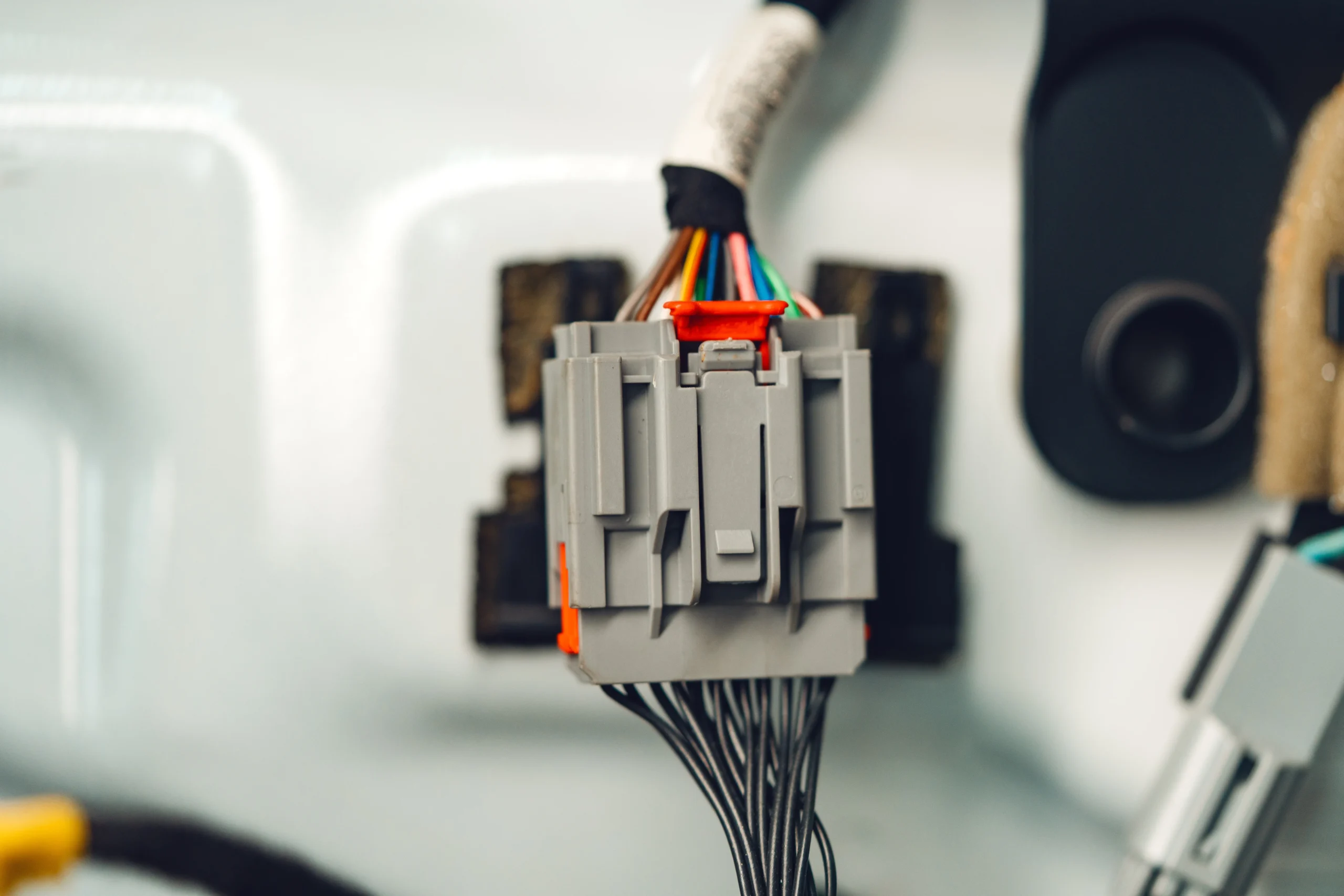
The transition to electric travel is reshaping the automotive supply chain. Although batteries and motors dominate the headlines, the reliability of these systems depends on automotive connectors and seals.
From ensuring the safety of high-voltage lines to protecting sensitive data streams for autonomous driving, these components are the unsung heroes of the EV revolution. As technology advances, we can expect these connectors and seals to become more durable, efficient and intelligent.
If you’re interested in vehicle maintenance, read our guide on how to check wire harnesses to make sure your vehicle stays in top condition.