
Cable connectors are critical components in electrical systems, but various issues can arise during their use. Understanding these common problems and their solutions can help improve the stability and reliability of your systems. Here is an overview of common problems with cable connectors and their solutions.
Loose Connections
Problem Description: Connections may become loose after insertion, leading to poor electrical contact, which can cause current interruptions or equipment failures.
Solutions
- Check Plugs and Sockets: Ensure that the plug and socket fit properly. If the connector has a locking mechanism, make sure it is securely locked.
- Use Appropriate Tools: For screw terminal blocks and similar connectors, ensure that the correct tools are used for securing connections without over-tightening or leaving them loose.
- Regular Inspection: Regularly check the connection status and tighten or replace any loose connectors as needed.
Poor Electrical Contact
Problem Description: Electrical contact issues in cable connectors can lead to unstable current and affect the proper functioning of equipment.
Solutions
- Clean Contact Points: Inspect and clean the contact points of the connector to remove oxidation or dirt, ensuring good conductivity.
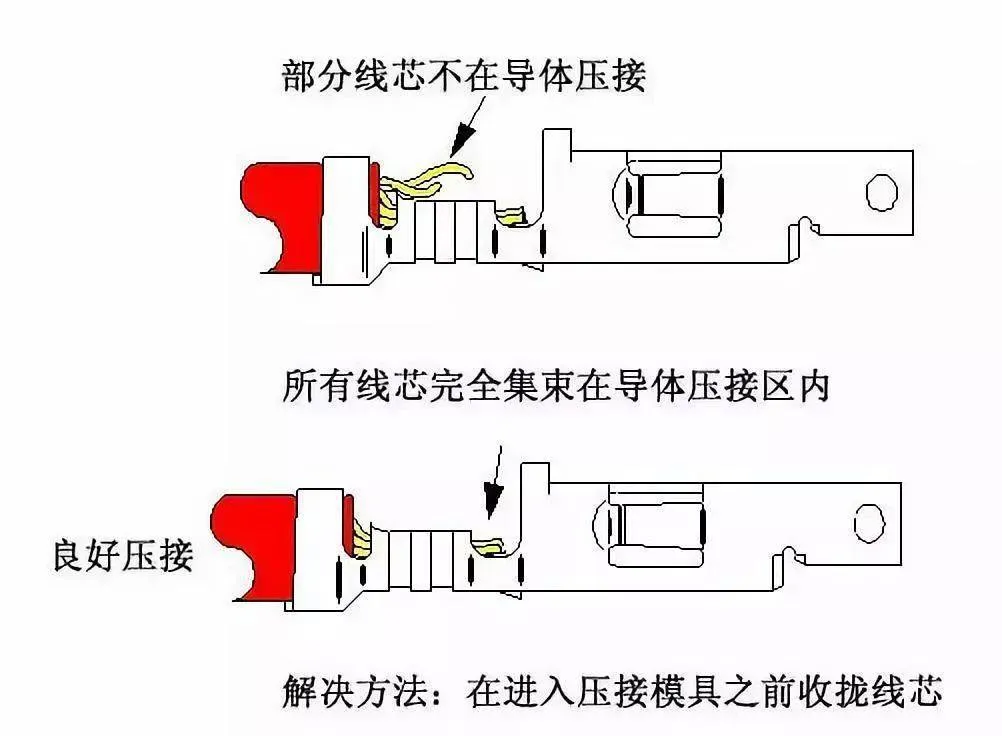
- Check Cables: Ensure that the cable ends are properly inserted into the connector and that there are no damaged or exposed parts.
- Replace Connectors: If the contact points are severely worn or damaged, consider replacing the connector with a new one.
Overheating Issues
Problem Description: Connectors may overheat during use, often due to excessive current or poor connections.
Solutions
- Check Rated Current: Ensure that the connector’s rated current matches the actual load requirements to avoid overloading.
- Improve Ventilation: Ensure there is adequate ventilation around the connector in electrical equipment to prevent overheating.
- Use Heat Dissipators: In high-power applications, consider using heat dissipators or cooling devices to lower the connector’s temperature.

Environmental Impact
Problem Description: Cable connectors can be affected by environmental factors such as moisture, dust, or corrosion, leading to decreased performance.
Solutions
- Use Protected Connectors: Choose connectors with protection ratings (e.g., IP67) to resist moisture and dust in the environment.
- Regular Maintenance: Regularly inspect and clean connectors to ensure they are functioning properly.
- Add Protective Measures: Use insulation sleeves, sealant, or other protective measures in harsh environments to minimize environmental impact.
Mechanical Damage
Problem Description: Mechanical vibrations, pulling, or impacts can damage connectors, affecting connection stability.
Solutions
- Secure Cables: Ensure that cables and connectors are properly secured to avoid damage from vibrations or pulling.
- Use Vibration-Resistant Connectors: In environments with significant vibration, use connectors designed to be vibration-resistant to improve reliability.
- Inspect Connector Housing: Regularly check for cracks or damage in the connector housing and replace it if necessary.
Installation Issues
Problem Description: Improper installation methods can lead to connectors not functioning correctly or becoming damaged.
Solutions
- Follow Installation Guidelines: Adhere strictly to the installation instructions for the connector to avoid issues caused by improper handling.
- Train Personnel: Train installation personnel to ensure they understand the correct installation methods and precautions.
- Inspect Installation: After installation, check that the connections are secure and that the electrical performance is as expected.
Understanding and addressing common issues with cable connectors can significantly enhance the stability and reliability of electrical systems, reducing the risk of failures. Regular maintenance and proper use of connectors will help ensure the long-term stable operation of your systems.