

The composition of automotive connectors generally includes terminals, housings, waterproof seals, and locking mechanism components. Terminals, which are the core parts that complete the electrical connection, are typically stamped metal parts connected to wires through crimping or welding processes.
The performance of terminals, including conductivity, contact reliability, and insertion/extraction force, is crucial. Common materials for terminals include brass, phosphor bronze, and copper alloys, with brass being the most prevalent. To ensure electrical and anti-oxidation performance, terminal contact areas often have various surface coatings.
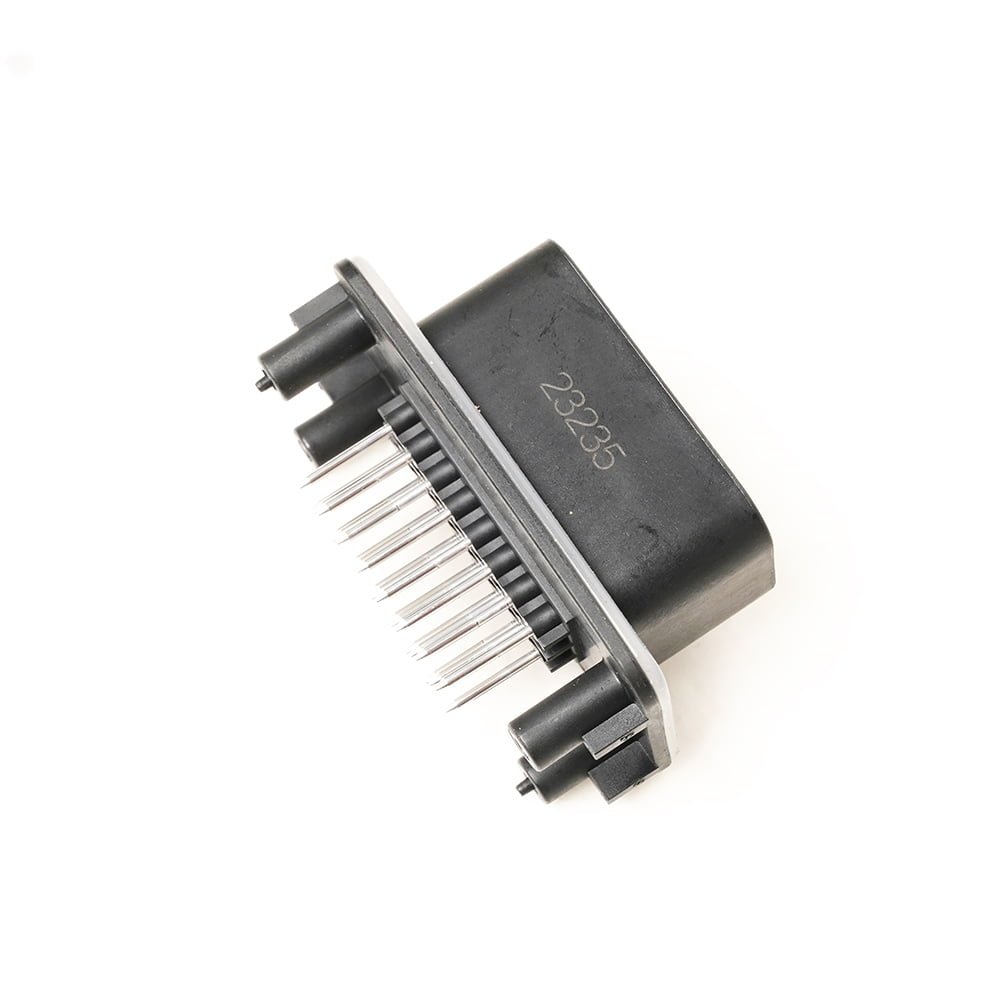
Housings, made from non-metallic materials like PA (polyamide), nylon, ABS (acrylonitrile butadiene styrene), TBT (polyester), and PP (polypropylene), provide fixation, insulation, and protection for terminals. To enhance or make them flame-retardant, materials like glass fiber or carbon fiber are added.
Waterproof seals, typically made from materials like NB2 and silicone, offer superior thermal stability, radiation resistance, weather resistance, electrical insulation, and water repellency.
Locking mechanism components, including terminal locking tabs (TPV) and connector locking tabs (CPA), ensure secure connections. These components, made from materials like PUM (polyoxymethylene), PA (polyamide), and PP (polypropylene), provide secondary locking to maintain stable engagement under abnormal external forces.