
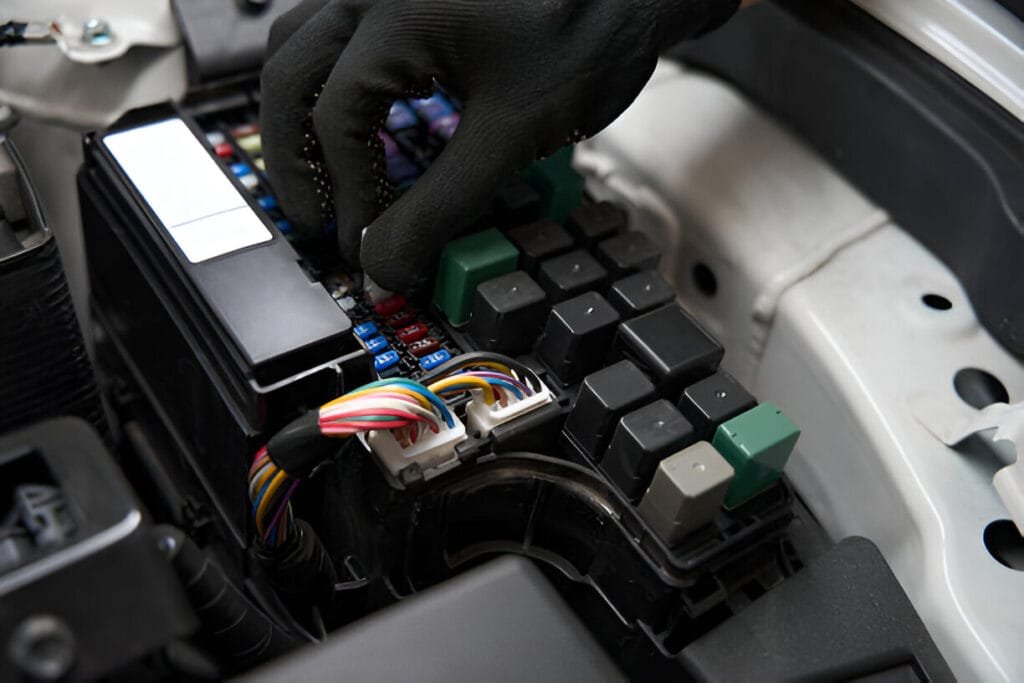
Heavy duty sealed connectors (HDSCs) are critical yet often overlooked components in modern machinery. Whether buried in mud, blasted by rain, or jostled on a construction site, these connectors keep critical electrical systems running smoothly. This guide breaks down everything you need to know, whether you’re specifying parts for an off-highway vehicle or designing a control panel in a harsh industrial environment.
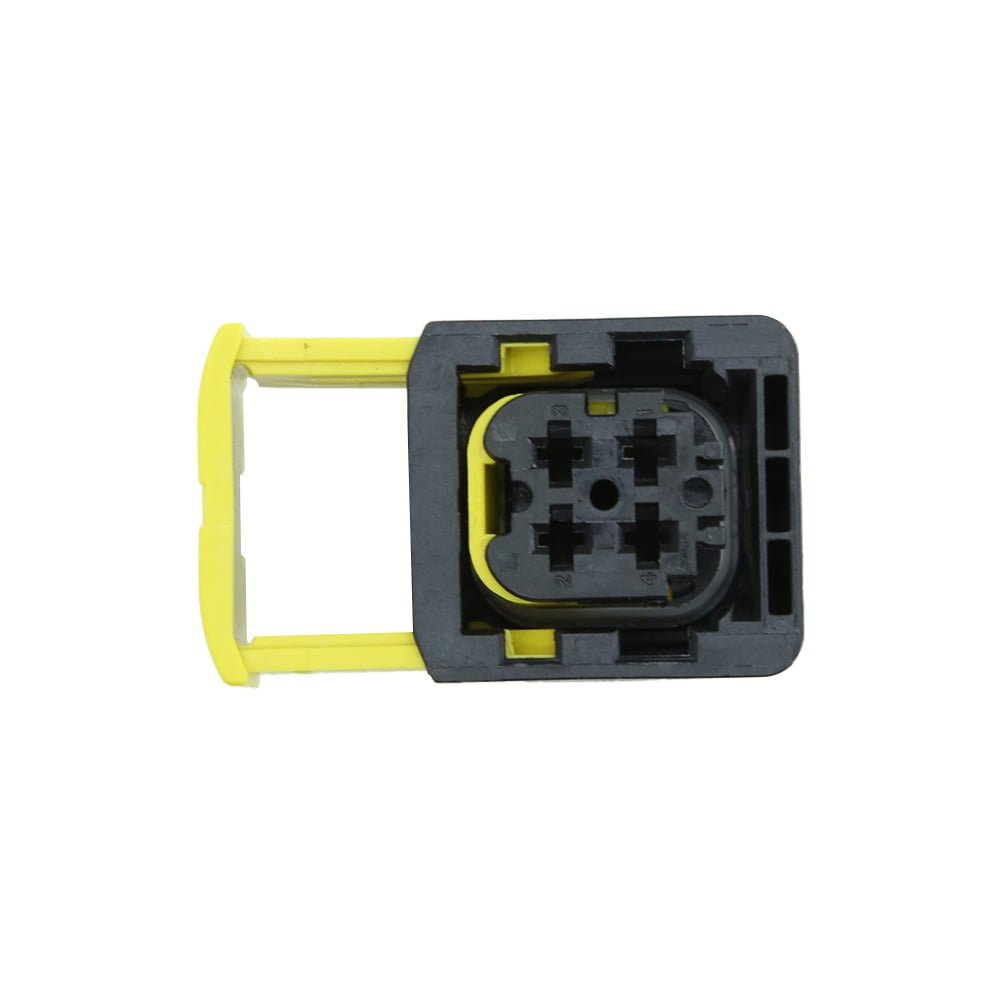
What is a Heavy Duty Sealed Connector?
Heavy Duty Sealed Connectors are rugged, weather-resistant electrical connectors designed to protect circuits in harsh, demanding environments. They are commonly found in:
- Commercial vehicles
- Agricultural equipment
- Construction machinery
- Marine and mining systems
Unlike standard connectors, HDSCs are built to withstand severe environmental stress. They typically include:
- Reinforced housings made of high-strength plastic or corrosion-resistant metal
- Molded rubber gaskets or silicone seals to prevent ingress of water, dirt, or chemicals
- Locking mechanisms that prevent accidental disconnection due to vibration or handling
Practical Illustration:
A forestry harvester uses HDSCs to connect hydraulic sensors and engine control units. Without sealed connections, moisture and debris would likely cause system failure within days.
Key Series and Brands
Multiple global manufacturers specialize in sealed connectors for rugged applications. Here are a few standout options:
| Brand | Series | Highlights |
| TE Connectivity | HDSCS (Heavy Duty Sealed Connector Series) | Modular solutions proven in automotive and heavy-duty applications. |
| Amphenol | EnergyKlip EK350 | High-current design; ideal for power distribution |
| Deutsch (TE) | DT / DTM / DTP Series | Well-established; trusted in OEM and motorsport sectors |
Case Study:
John Deere guarantees dependable signal transfer in its 9R tractors by integrating TE’s HDSCS connectors between engine modules and diagnostics systems. These connectors are engineered to resist vibration, water, and heavy dirt accumulation.
Most of these systems offer a complete ecosystem: plugs, receptacles, backshells, secondary locks, and optional strain relief components.
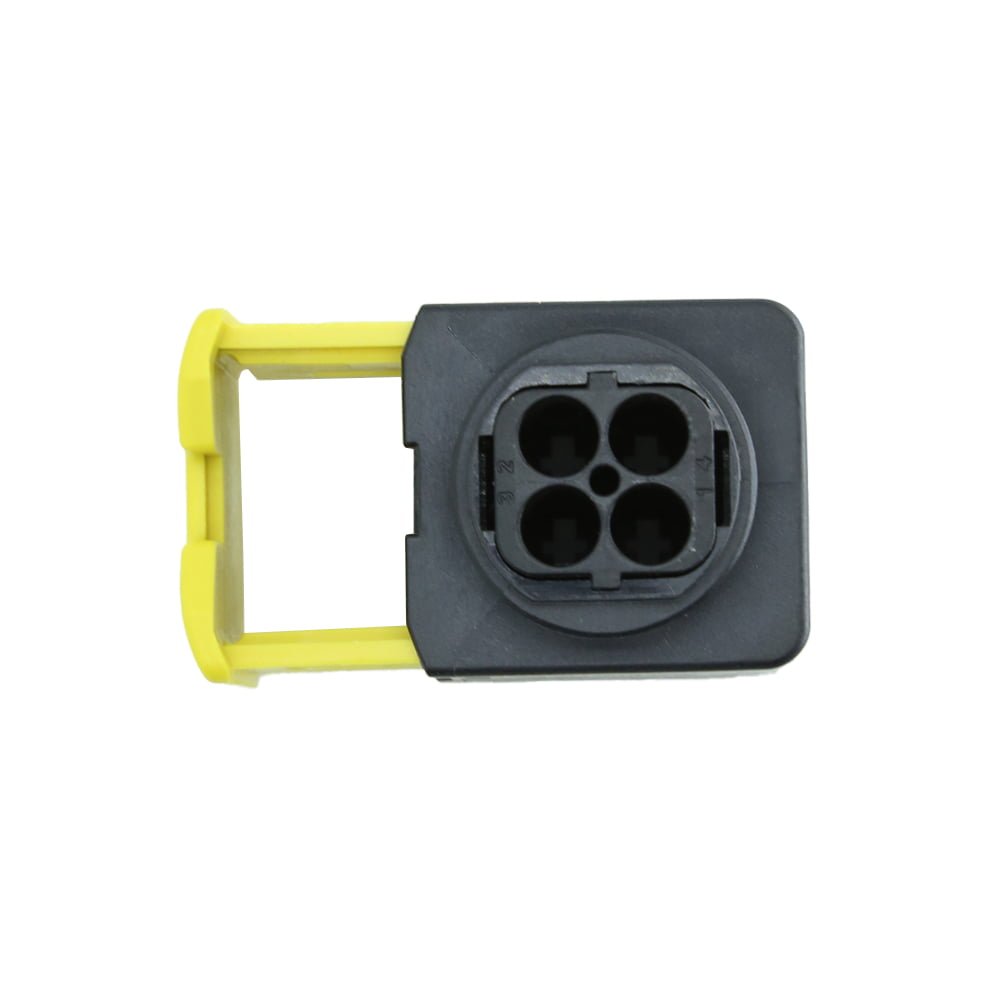
Technical Features and Design Requirements
Designing or selecting a sealed connector involves more than just picking the right number of pins. Key considerations include:
Electrical Performance
- Current Ratings: From 5A for sensors to 250A for power applications
- Voltage Ratings: Vary from 12V up to 1000V depending on the system
- Contact Resistance: Usually less than 10 milliohms to reduce heat generation
Environmental Protection
- Ingress Ratings: IP67 = sealed against dust and immersion; IP69K = can withstand high-pressure washdowns
- Temperature Tolerance: Commonly rated from -40°C to +125°C
Mechanical Design
- Locking Systems: Lever-lock or slide-lock designs secure terminals in place
- Vibration Resistance: Crimped terminals and tight cavities minimize micro-motion
Design Tip:
Match the terminal size (e.g., 1.2mm, 2.8mm, 6.3mm) with the expected current draw. Oversized terminals help reduce resistance and heat in high-load circuits.
Applications
HDSCs are indispensable in environments where failure is not an option. Key application areas include:
Industry Applications
- Transportation: Buses, trucks, and commercial fleet electronics
- Agriculture: Precision farming tools, GPS modules, implement controls
- Construction: Hydraulic systems, CAN bus wiring, safety interlocks
- Energy & Marine: Offshore wind turbines, solar farm inverters, and marine propulsion systems
Real-World Use:
In CAT Excavators, HDSCs provide the interface between the CAN bus and hydraulic systems.Earlier faults due to vibration and water ingress were mitigated once sealed connectors replaced standard interfaces.
Why it works: Properly sealed connectors ensure stable signal and power delivery even in high-vibration, moisture-heavy settings.
How to Install?
Correct installation of sealed connectors ensures long-term reliability. Here’s how to get it right:
Installation Steps
- Use the manufacturer-specified crimping tool to strip and crimp the wire
- Insert terminals until they click securely into the housing
- Engage the secondary lock to hold terminals firmly in place
- Install backshells and seals to complete the assembly
Maintenance Advice
- Apply dielectric grease to protect against corrosion and simplify disassembly.
- Periodically inspect seals and grommets for degradation
- Never pull on wires to disconnect; use designated tools to release terminals
Learning Resource:
Both TE and Deutsch offer online tutorials demonstrating proper crimping and assembly techniques. These are highly recommended for technicians and engineers.
How to Select Your Ideal One?
Choosing the right sealed connector isn’t one-size-fits-all. Selection depends on current levels, environmental exposure, installation ease, and long-term serviceability.
Factors to Evaluate
- Circuit Requirements: Pin count, signal vs. power, shielding
- Environmental Conditions: Water submersion, salt spray, UV exposure
- Connector Geometry: Inline vs. flange-mounted vs. bulkhead
- Locking Mechanism: Slide-locks for tight spaces; lever-locks for larger assemblies
Quick Comparison Table:
| Feature | TE HDSCS | Amphenol EK350 | Deutsch DT |
| Max Current | 80A | 350A | 13A |
| Terminal Sizes | 1.2–6.3 mm | 8–16 mm | 1.5–4.0 mm |
| IP Rating | IP67/IP69K | IP68 | IP68 |
| Typical Use Case | Vehicle ECUs | Power systems | Signal systems |
Pro Tip:
For 100A+ applications, consider EK350 or similar high-power solutions. For low-current sensors, a Deutsch DT connector offers durability at a lower cost.