
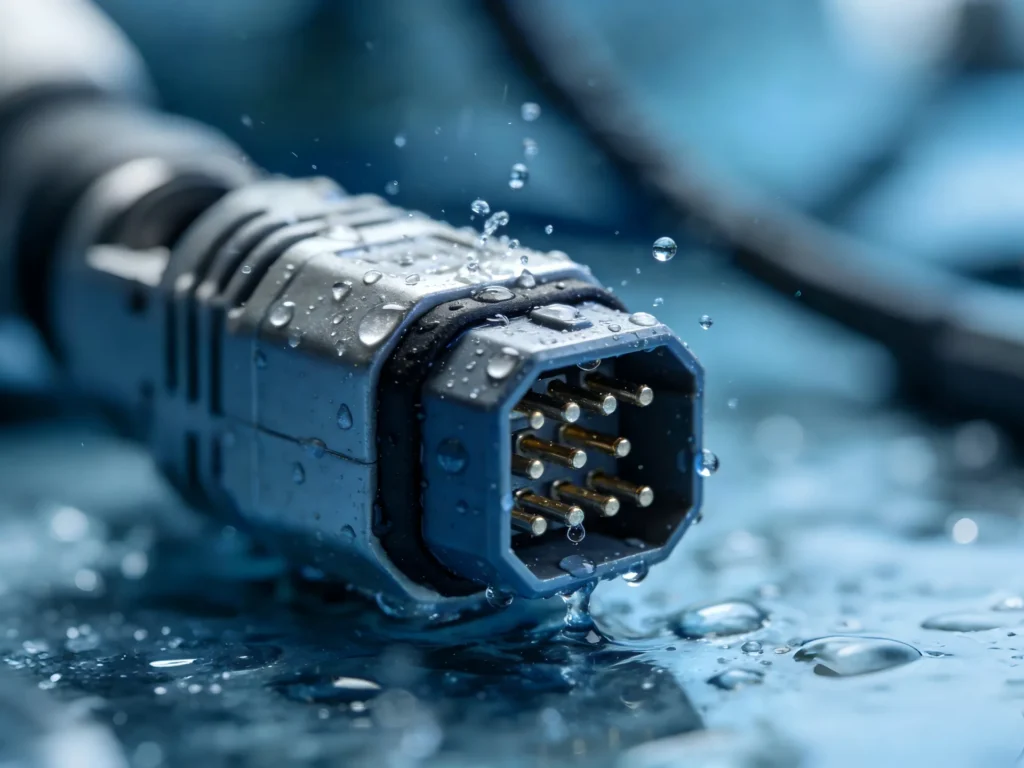
Choosing the right connector for your automotive electrical system can determine the success or failure of your project. Engineers and technicians face this critical decision every day, and wrong choices can lead to system failures, increased costs and make clients disappointed.
Understanding the fundamental differences between multi-pin and single-pin automotive connectors will help you make informed decisions and ensure reliable performance and optimal functionality.
Single-Pin Automotive Connectors
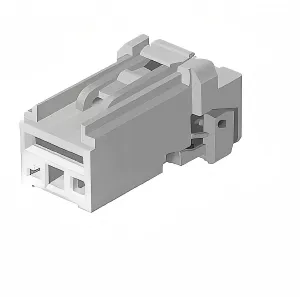
The single-pin automotive connector is the simplest form of electrical connection in a vehicle. These connectors establish an electrical path between the two components for easy installation and troubleshooting. The design feature is that the male terminal is inserted into the female housing to form a safe electrical connection.
The single-pin automotive connectors perform well in applications that require separate line management. A single-pin automotive connector is the most direct solution when you need to connect a single wire to a component or establish a contact in a harness. Its modular characteristics enable technicians to customize connections according to specific needs without being fixed to a preset pin configuration.
The single-pin automotive connectors provide excellent flexibility in the design phase. You can place them anywhere on the line, and their compact volume is ideal for narrow spaces where large connectors cannot be installed. The ability to use different connector types for different circuits in the same system provides design freedom that multi-pin alternatives cannot match.
You usually find single-pin automotive connectors in the following locations:
- Grounding Points: The circuit is connected directly to the vehicle chassis.
- Temperature Sensors: Simple resistive sensors usually require independent signal lines.
- High-current Battery Connection: Large-diameter cables for starters usually use heavy-duty single-pin wiring lugs.
- Pros: Easy to replace alone, high degree of modularity. If a wire fails, there is no need to replace the entire connector set.
- Cons: When you need to combine many circuits, they take up a lot of space and if there is no proper line management, it will look very messy.
Multi-Pin Automotive Connectors
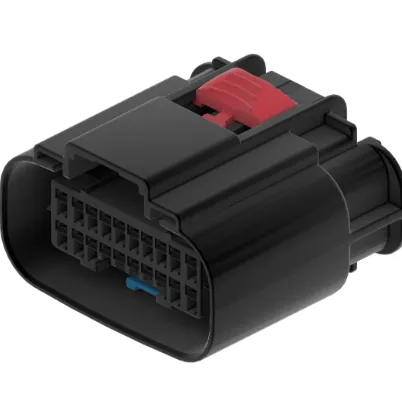
The multi-pin automotive connector integrates multiple circuits into one shell. This integrated design creates a centralized connection point, simplifies line management and reduces the total number of connection points in the system. This is the industry standard for modern wiring harnesses, ranging from 2-pin automotive connectors for fuel injectors to more than 100-pin connectors for engine control units (ECUs).
The housing design of the multi-pin automotive connectors provides excellent protection for a single circuit. Each pin is located in a specialized cavity to prevent cross-connect errors and provide mechanical support for the terminal. This design significantly reduces the risk of incorrect connections during assembly or maintenance.
The multi-pin automotive connectors include keying functionality to prevent mismatches. These mechanical protection measures ensure that the connector can only be connected in the right direction to avoid possible damage to sensitive electronic components. The key system also prevents technicians from incorrectly connecting connectors during assembly or maintenance.
Core Advantages:
- Space Efficiency: 20 wires are combined into a module, which is much smaller than 20 independent connectors.
- Error-Proof Design: Most multi-pin automotive connectors are designed with anti-dead keys, which can only be inserted in one way to prevent wiring errors.
- Assembly Speed: The speed of inserting a connector is much faster than that of inserting twelve independent connectors in the manufacturing process.
| Comparison Table: Single-pin vs Multi-pin Automotive Connectors | ||
|---|---|---|
| Feature | Single-pin Automotive Connectors | Multi-pin Automotive Connectors |
| Circuit Density | Low (1 circuit per unit) | High (2 to 100+ circuits) |
| Space Requirement | High (for multiple lines) | Low (compact footprint) |
| Assembly Time | Slow (connect individually) | Fast (one-click connection) |
| Current Capacity | High (often used for battery/ground) | Variable (usually lower per pin) |
| Cost Per Circuit | Higher (if scaling up) | Lower (economies of scale) |
| Maintenance | Easy to isolate one line | May require de-pinning tools |
Installation and Assembly Considerations
The single-pin automotive connectors need to be paid attention to separately during installation, which may increase the assembly time when dealing with multiple circuits. Each connector must be positioned, fixed and tested individually. This process becomes time-consuming when dealing with complex systems that require multiple independent connections.
However, the single-pin automotive connectors have excellent maintainability. Technicians can access and replace individual connections without interfering with other circuits. This ability is extremely valuable in diagnostic procedures and maintenance, especially when specific circuits need to be isolated.
The multi-pin automotive connector simplifies the assembly process by integrating multiple connections into a single docking. One connector engagement can fix all circuits at the same time, shorten the assembly time and eliminate the possibility of missing connections. This efficiency is particularly important in the production environment because the assembly speed directly affects the cost.
The trade-off exists in the service operation stage. Multi-pin automotive connectors need to disconnect all circuits to access a single-pin. This limitation may complicate the diagnostic procedure that forces technicians to disconnect the normal circuit to maintain unrelated problems.
TIANDIAN Notes: View Our Article about How to Wire the Connector.
Electrical Performance Characteristics
The electrical integrity of the system largely depends on the type of automotive connector used.
Crosstalk and Interference
In a multi-pin environment, the wires are closely arranged together. This may lead to crosstalk (electromagnetic interference between wires).
Single-Pin: Very suitable for isolating sensitive signals or high-voltage lines that may cause interference.
Multi-Pin: Needs careful planning. Twisted pair or shielded cable may be needed in the connector bundle to prevent data damage in the CAN bus.
Current Rating
Single-pin automotive connectors are usually the first choice for high current applications (50A +). The multi-pin automotive connector is usually derated; when you add more current-carrying pins at the same time, heat generation increases, which reduces the ampere capacity of a single-pin.
Environmental Protection and Sealing

Environmental seals face different challenges for each connector type. The single-pin automotive connector requires a separate sealing scheme, which may form multiple potential leakage paths in harsh environments. Each connector represents the independent sealing problem that must be solved during the system design process.
Multi-pin automotive connectors provide centralized sealing and excellent environmental protection. The single seal design can protect all circuits at the same time and reduce the number of potential failure points. Advanced multi-pin automotive connectors have multiple sealing barriers that provide redundant protection against moisture, dust and chemical contamination.
The sealing effect depends largely on the correct installation and maintenance. The single-pin automotive connectors facilitate the inspection and maintenance of individual seals, while the multi-pin automotive connectors require complete disconnection to inspect and replace seals.Learn more about IP protection level from the IEC standard database.
Cost Analysis and Economic Factors
Preliminary cost considerations are more inclined to single-pin automotive connectors for simple applications. The low cost of single-pin automotive connectors makes it more attractive in basic connections that do not require advanced functions. However, the total cost of the system includes installation labor, which may be more conducive to multi-pin solutions in complex applications.
The initial cost of a multi-pin connector is high, but it has economic advantages in complex systems. Shortened installation time and improved reliability can offset the increase in connector costs by reducing labor costs and improving long-term performance.
Inventory management also affects total cost of ownership. single-pin automotive connectors need to maintain the inventory of a single component, while multi-pin automotive connectors integrate inventory requirements. The reduced number of part numbers can simplify the procurement process and reduce the inventory self-supporting cost.
Selection Criteria for Specific Applications
How do you decide which car connector is right for your project? Please check this list:
- Ampere Count Requirements: If you need more than 30 amps, please tend to heavy single pin or dedicated high-power multi-pin hybrid connectors.
- Space Limitations: If space is tight (e.g. behind the dashboard), multi-pin automotive connectors are mandatory.
- Maintainability: Do components need to be disassembled frequently? The multi-pin automotive connectors allow fast disconnection of the entire system.
- Signal Type: For sensitive data streams (video, lidar), dedicated multi-pin coaxial or shielded connectors are required.
Make the Right Choice for Your Application
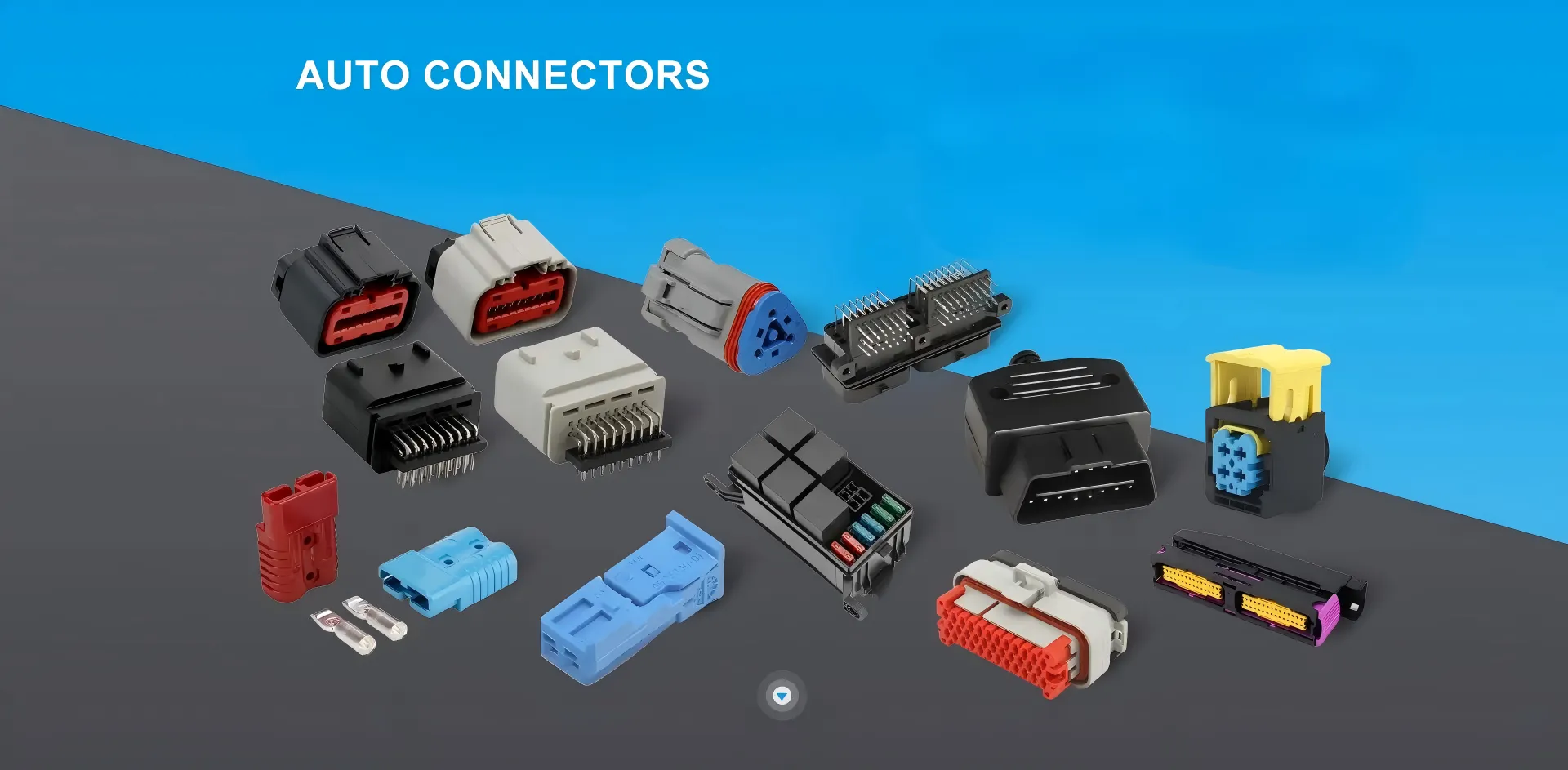
Multi-pin and single-pin automotive connectors are used for specific purposes in modern vehicle electrical systems. Your choice depends on system complexity, reliability requirements, environmental conditions and economic factors.
Single-pin automotive connectors perform well in simple, single-circuit applications that focus more on flexibility and maintainability. Multi-pin automotive connectors have advantages in complex systems that drive design decisions based on integration, organization and assembly efficiency.
Choosing the right automotive connector today can avoid expensive redesign and maintenance problems tomorrow.